
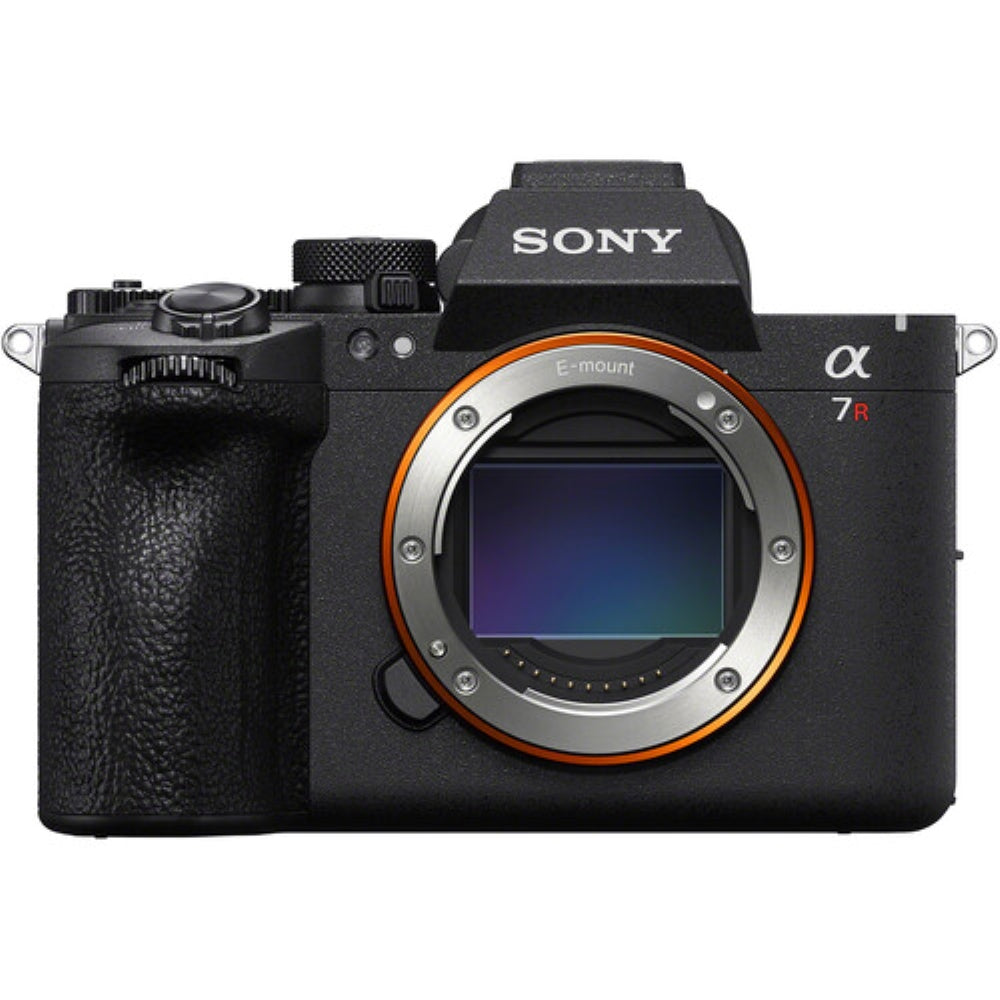
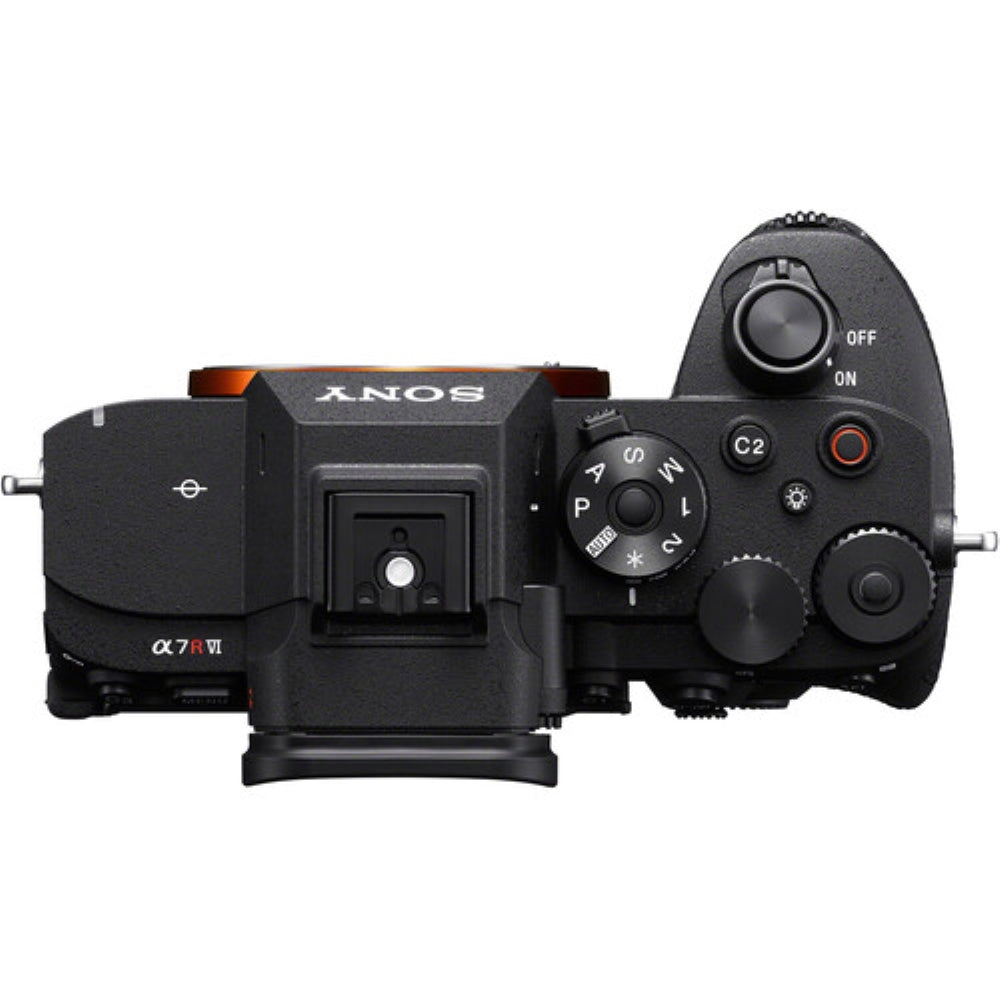
Sony a7R VI Mirrorless Camera
Sony a7R VI Mirrorless Camera
STORE
54 Orchard Street
Ground Floor
New York NY 10002
United States

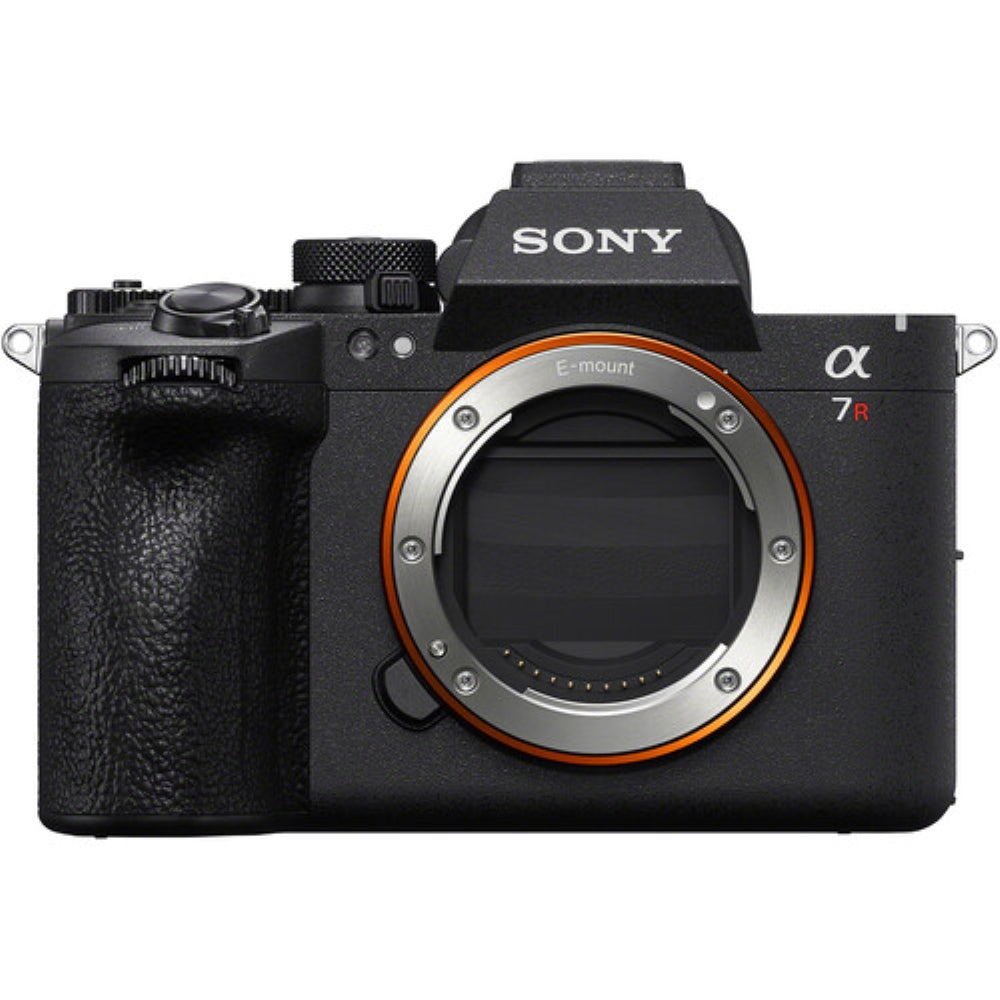
Pushing the boundaries of what can be achieved with an R-series camera, the Sony a7R VI combines the highest resolution sensor ever placed in an a7 body with remarkable 30 fps performance, outstanding 8K video features, enhanced AI-assisted autofocus, and better handling along with extended battery life. This versatile camera is designed as a comprehensive solution for individuals engaged in diverse genres and mediums, including professional portrait and landscape photographers, event videographers, editorial, advertising, and commercial experts, as well as wildlife and sports photographers.
Exmor RS BSI Sensor and BIONZ XR2 Processor
66.8MP Full-Frame Fully Stacked CMOS Sensor
The newly developed 66.8MP Exmor RS BSI sensor represents the highest resolution full-frame, fully stacked sensor currently available, and it is also the highest resolution sensor found in an a7 camera to date. This stacked design enables readout speeds that are 5.6 times faster, which, when combined with AI-based processing, enhances the functionality of autofocus (AF), auto exposure (AE), and auto white balance (AWB).
Moreover, the BSI CMOS design significantly enhances image quality, providing high clarity, reduced shadow noise, and an expanded dynamic range of 16 stops compared to earlier models. The architecture of the sensor facilitates remarkable rendering that is ideal for HDR applications, while a copper wiring layer greatly accelerates data transmission, allowing for the creation of 14-bit, high-resolution 66.8MP still images with a native sensitivity range from ISO 100 to 32000, which can be further extended to ISO 50 to 102400.
 Upgraded Processing and Continuous Shooting
The latest BIONZ XR2 processing engine, featuring a built-in AI processing unit, provides enhanced performance in comparison to earlier models. This advancement results in quicker shooting speeds, remarkable image quality with extensive sensitivity and dynamic ranges, as well as smoother processing that can manage a multitude of AI functions, intelligent autofocus, and rapid subject detection and recognition. Furthermore, this processing system minimizes rolling shutter effects and other motion distortions, ensuring clear rendering of moving subjects.
Pre-Capture & Speed Boost
For the first time featured in an a7R-series body, these action-specific shooting modes provide significant advantages in wildlife and sports shooting scenarios:
-
Pre-Capture: The a7R VI can be set up to start recording images at 30 fps with AF/AE to the buffer when the shutter button is half-pressed. Users have the option to adjust this setting between 0.03 and 1.0 seconds. When the shutter is pressed, these images will be stored on the memory card.
-
Speed Boost: By utilizing Speed Boost and a designated custom button, users can quickly transition their camera from the standard continuous shooting frame rate to a higher one, ensuring that their next shot is perfectly timed. Photographers will have the ability to choose from various frame rates, reaching up to 30 fps.
Improved 8.5-Stop IBIS
The in-body image stabilization (IBIS) system has undergone enhancements to provide compensation for camera shake of up to 8.5 stops in the center of the frame and up to 7 stops at the edges. This 5-axis stabilization mechanism integrates a high-performance gyro sensor with a refined algorithm, resulting in more accurate shake control and enhanced communication between the camera body and the lens.
Furthermore, specifically designed for video, there is an Active IS mode that incorporates even more advanced stabilization techniques for smoother footage directly from the camera. Additionally, this digital stabilization system has been upgraded with a new algorithm that delivers optimal stabilization performance when used with select OSS-enabled lenses.
 Pixel Shift Multi Shooting
This distinctive compositing mode enables you to attain a resolution that surpasses what the 66.8MP sensor can provide. By working in tandem with the sensor-shift image stabilization, this mode shifts the sensor while capturing 4 or 16 consecutive exposures to gather approximately 265.8MP of data, resulting in enhanced color accuracy and detail that exceeds what can be achieved with a single exposure. These files can subsequently be combined during post-production using the Sony Imaging software suite.
Furthermore, the multi-image HDR and Noise Reduction modes can also composite between 4 to 32 raw images into a single frame, which showcases either a broader dynamic range or diminished apparent noise, respectively.
Accurate Exposure and Color

The enhanced auto-exposure algorithm is capable of identifying skin regions on faces, thereby achieving a more precise balance of exposures for portrait photography. This auto-exposure technique boasts a reliability increase of about 20%, even in challenging lighting conditions such as backlighting or direct sunlight, and when the subject is not oriented directly towards the camera. Furthermore, the integration of deep learning technology, in conjunction with external visible light and infrared sensors, plays a significant role in enhancing color accuracy and facilitating effective auto white balance adjustments.
Advanced Focus and Real-time Recognition AF+
AI Processing Unit
Utilizing a specialized AI processing unit integrated into the BIONZ XR2, the autofocus accuracy and subject identification capabilities of the a7R VI have been enhanced. The newly introduced Real-time Recognition AF+ provides a more consistent and dependable performance, particularly when dealing with distant subjects and during transitions between different subject types. This subject detection system is compatible with seven distinct selectable target categories:
- Human, which tracks body and head positions for accurate portraits. Real-time Eye AF+ performance has also improved human pose estimation capabilities as well as more tracking stability in crowded scenes, better recognition of smaller and distant subjects, and more persistent tracking of partially obscured subjects.
- Animal, Bird, and Animal/Bird modes are capable of identifying various types of animals, such as dogs, cats, birds, and others, with the proficiency to focus specifically on their eyes and recognize their bodies and heads.
- Insect recognition provides even more precise capabilities, allowing for the detection of either the head or the complete insect subject.
- Car/Train and Airplane recognition enables the camera to identify the front section of a train, the nose of an airplane, or to effortlessly recognize the entire fast-moving object.
- Real-time Tracking leverages AI-driven subject recognition to monitor moving subjects, rendering it especially effective for sports and action scenarios. Furthermore, Human pose estimation enables the camera to differentiate between several individuals and sustain focus on the intended subject; even when another person passes in front, the camera continues to concentrate on the primary individual.
Advanced Fast Hybrid AF
- Covering 94% of the full-frame image area, or 100% of the APS-C cropped area, a Fast Hybrid AF system features a dense grid of 759 phase-detection points, enabling quick and precise focusing across various lighting conditions, with sensitivity reaching down to -6 EV. This focusing system is accessible in all recording modes, providing advantages for both video and still photography.
- Full-time DMF (Direct Manual Focus) allows the use of the lens's focus ring for manual focus control at any moment, facilitating the transition of focus to a different subject even while utilizing AF.
- For capturing moving subjects in photography, this AF system is capable of maintaining pace with continuous shooting speeds of up to 30 fps, delivering full-time AF tracking between each successive frame at a maximum rate of 60 AF/AE calculations per second.
- XS - XL focus areas can be employed, along with customizable focus area shapes, to align with the subject matter and framing requirements of various scenarios.
- In-camera Focus Bracketing is achievable, allowing for the recording of up to 299 frames with sequentially adjusted focus points, which aids in creating composite images during post-production with a depth of field greater than what is typically possible.
AF During Video Recording
- Real-time Eye AF is completely supported during video recording, enabling the detection and tracking of human, animal, and bird eyes while filming.
- Focus Map offers a distinctive method for visualizing depth of field, functioning similarly to peaking with a vibrant overlay that highlights which areas of the scene are in front of and behind the focus point based on the selected aperture.
- A feature inherited from the FX6 digital cine camera, AF Assist allows for an intuitive transition to manual focus control, facilitating adjustments to the focus position when utilizing AF. This provides a rapid means to shift selective focus among various subjects within a scene while recording.
- Focus Breathing compensation presents a unique solution to address the performance of certain lenses when adjusting focus. It automatically smooths focus transitions and preserves a consistent field of view when altering the focus position during a shot. This mode slightly crops into the image and corrects for any detected shifts in composition during focusing. This function is compatible with select E-mount lenses.
 Video Recording
Advancing significantly in the field of video production, the a7R VI has enhanced its filmmaking features, establishing itself as an even more versatile hybrid camera. It supports recording formats such as 10-bit, full-frame 8K at 30/24p through 8.2K oversampling, as well as 4K at 120p via 5K oversampling with complete pixel readout. When utilizing a Super 35 recording area, 4K 60p footage can benefit from 6.3K oversampling for enhanced detail, or alternatively, 4K 120 high-speed recording is achievable with 4.6K oversampling. The AI subject recognition, powered by the AI Processing Unit, enhances the Framing Stabilizer mode, which automatically crops and recomposes the image to keep the subject centered.
Dynamic Active Mode Stabilization further ensures precise framing during filming, particularly when capturing footage while walking or in motion. The camera includes the S-Cinetone profile, S-Log2/3 gamma curves, ProRes RAW output via HDMI, and the capability to import LUTs, providing extensive color control for various recording requirements. It also features Breathing Compensation mode, which mitigates the impact of focus breathing when using certain lenses. Enhanced heat dissipation is achieved through a sigma-shaped graphite heatsink integrated into the stabilization unit, allowing for recording durations of up to 120 minutes at 4K 120p and 8K 30p when the ambient temperature is 77°F. At 105°F, one can expect recording times of up to 60 minutes for 4K or 30 minutes for 8K footage.
Dual Gain Function
A new Dual Gain feature has been introduced, designed specifically to reduce noise while preserving shadow detail. This enhancement leads to videos exhibiting the smoothest tonal gradation and an expanded perceived dynamic range. In this mode, the frame rate is capped at 30p, the resolution is set to 4K, and the ISO is limited to 400, except when utilizing S-Log3, which allows for an ISO range of 200-3200. Furthermore, due to the decreased readout speed in this mode, it is most appropriate for landscapes, interiors, or other relatively static subjects.
Audio
- When using the optional XLR-A4 XLR adapter, 4-channel audio with 32-bit float and a 96 kHz sampling rate can be recorded alongside video. A separate WAV file can also be saved in-camera.
- An integrated noise reference mic has been added to aid background noise reduction when using either the on-board mic or an external microphone.
- The Multi Interface Shoe features a digital audio interface that supports recording 4-channel 24-bit audio with attached mics.
Body Design and Connectivity
 9.44m-Dot EVF and 4-Axis Multi-Angle LCD
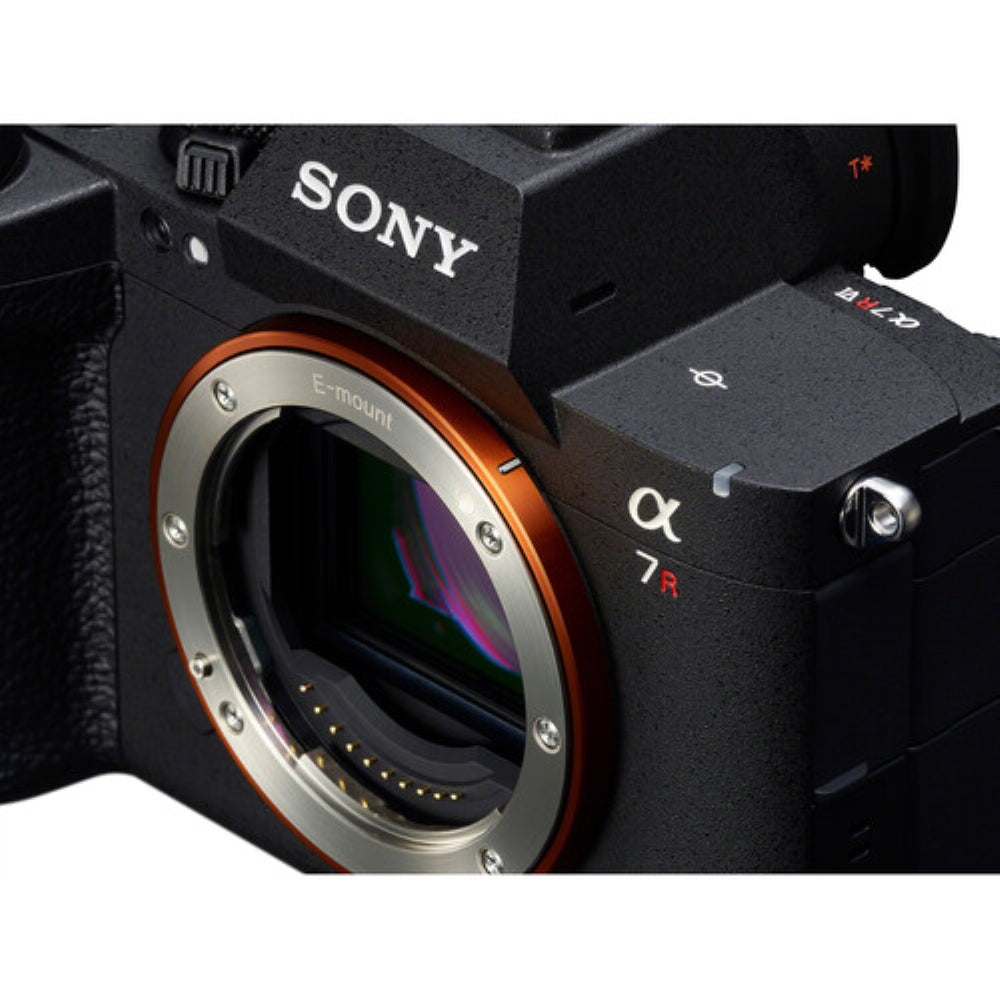
A newly updated QXGA OLED Tru-Finder EVF boasts a remarkable 9.44m-dot resolution and 0.9x magnification, providing exceptionally clear and detailed eye-level viewing. The EVF is approximately three times brighter than the a7R V and features an enhanced 10-bit display with DCI-P3-equivalent coverage, which significantly improves color accuracy and visibility. The viewfinder supports 120 fps playback for smooth motion rendering, and its physical design includes a long 25mm eye point, a 41° field of view, and a fluorine coating on the outermost viewfinder element to facilitate cleaning. It showcases a highly functional 4-axis multi-angle LCD design that merges the best features of both tilting and side-open/flip-out vari-angle designs. This 3.2" 2.1m-dot LCD also incorporates a touchscreen interface and a DCI-P3 wide gamut for precise color monitoring.
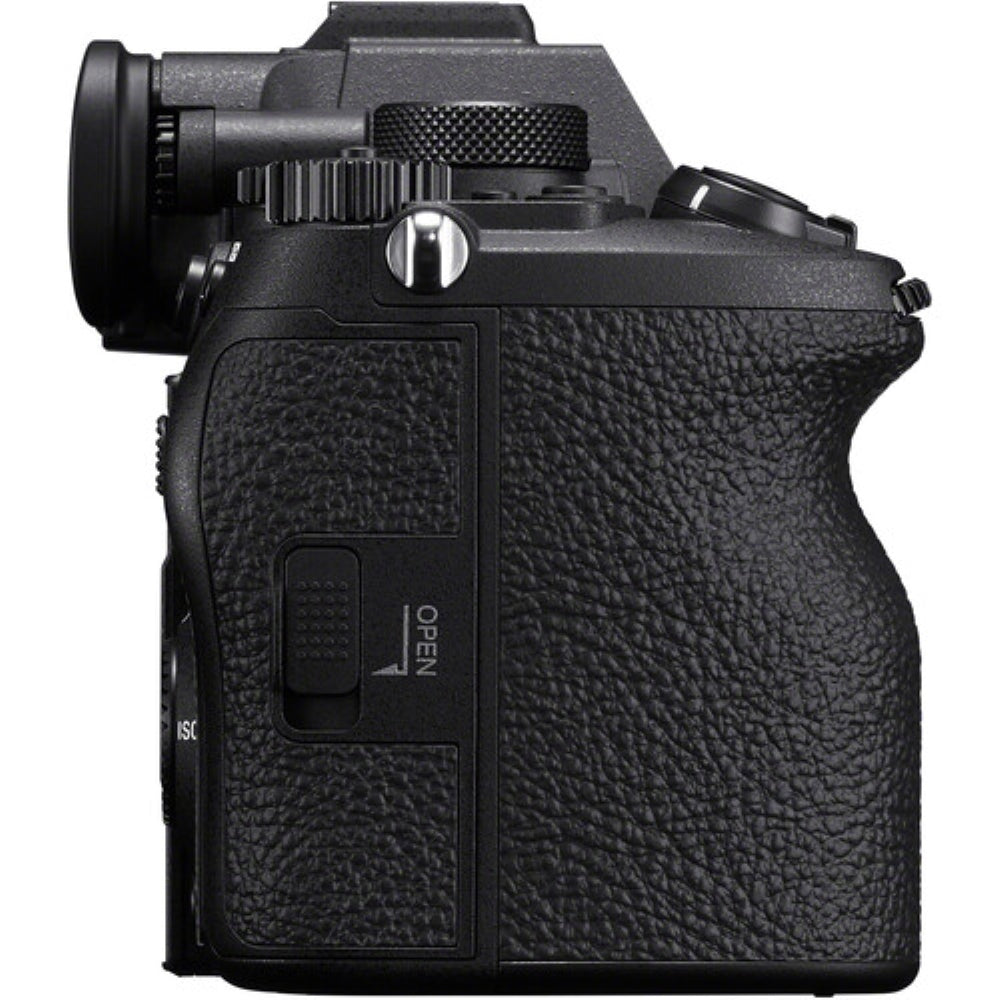
The magnesium alloy chassis guarantees rigidity, durability, and stability while remaining lightweight. The lens mount has been enhanced to better accommodate heavy lenses, and the grip rigidity has been improved for a more comfortable hand-holding experience. Comprehensive weather-sealing, including improved sealing around the battery cover, terminal cover, and chassis joints, has been implemented to resist dust and moisture, ensuring reliable operation in challenging weather conditions.
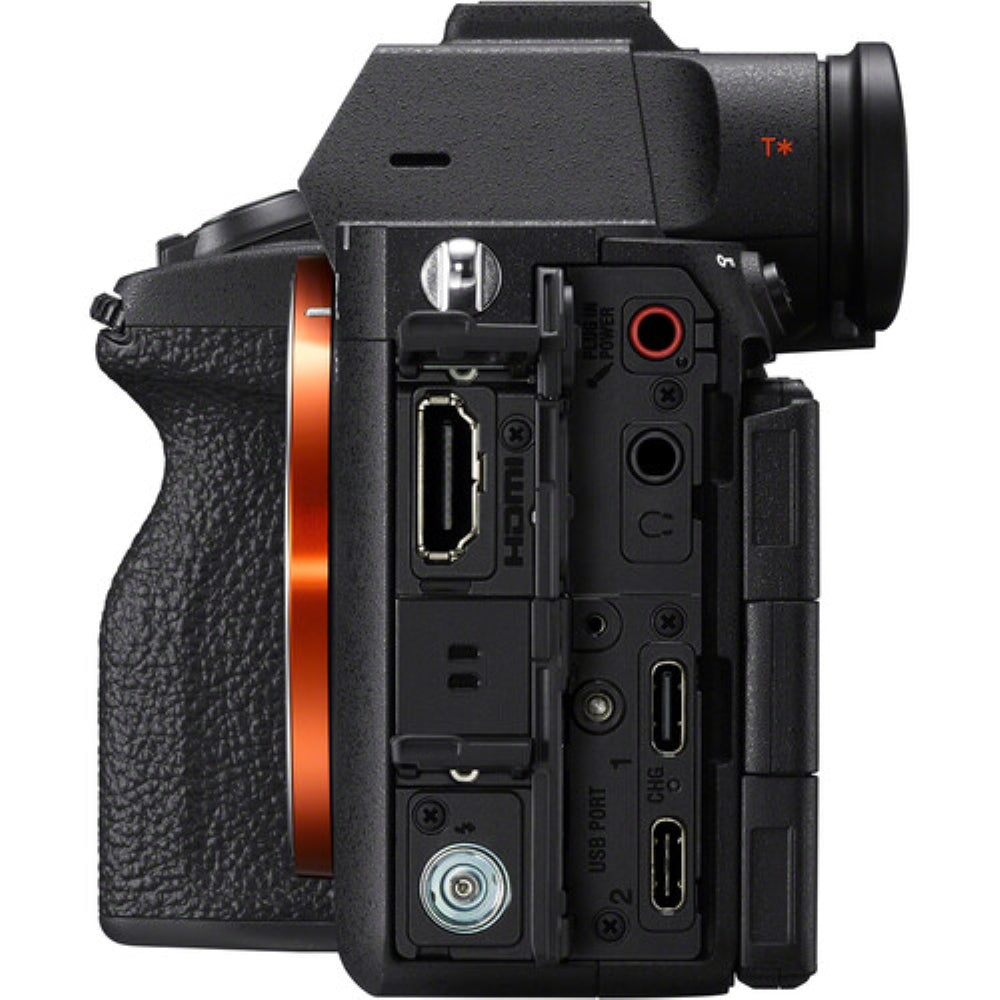
Ports and Interface
- Full-size HDMI A port offers a more reliable connection when working with external recorders.
- Dual USB-C ports offer greater versatility and the ability to simultaneously power the camera or charge the battery while also transferring data to an external storage device.
- Port 1 is a USB-C 3.2 Gen2 port intended for data transfer at up to 10 Gbps and Port 2 is a USB-C 2.0 port intended for power delivery and in-camera battery charging.
- Port 1 is a USB-C 3.2 Gen2 port intended for data transfer at up to 10 Gbps and Port 2 is a USB-C 2.0 port intended for power delivery and in-camera battery charging.
- PC sync terminal for wired flash sync with strobe packs or wireless radio remotes.
- Both 3.5mm headphone and external microphone ports facilitate greater control over audio recording.
- Multi Interface Shoe supports working with the new, optional XLR-A4 XLR Adapter for 32-bit float/96 kHz audio recording. This shoe also supports other external mics, like the ECM-B1M Shotgun Microphone, or external flashes, like the HVL-F60RM2 Flash.
Connectivity
The a7R VI features built-in Wi-Fi 6, allowing for immediate sharing of images to mobile devices for direct online distribution. This wireless capability operates on both 5 and 6 GHz bands, and incorporates 2x2 MIMO technology, ensuring a robust and dependable connection that facilitates swift transfers, remote control, and wireless tethered shooting. Additionally, Bluetooth connectivity is available for the acquisition of location data. The device supports both wired and wireless 4K livestreaming and complies with UVC/UAC standards for straightforward operation. Internal recording is also feasible during livestreaming. The USB-C port, when paired with an optional USB-Ethernet adapter, can achieve speeds of up to 1000BASE-T, enabling rapid wired LAN sharing and remote functionality.
Imaging Edge Remote for desktop enables PC Remote shooting through the Wi-Fi connection or via the wired USB-C port. Furthermore, an enhanced data transfer control feature allows for the transfer of files from a memory card over Wi-Fi using the Imaging Edge Mobile app, even when the camera is turned off.
Imaging |
|
|---|---|
| Lens Mount | Sony E |
| Effective Sensor Resolution | Effective: 66.8 Megapixel Actual: 72.6 Megapixel |
| Image Sensor | 35.9 x 24 mm (Full-Frame) Stacked CMOS |
| Sensor Crop (35mm Equivalent) | Crop Factor: 1x Additional Modes: 1.5x *Additional Crop Occurs in Select Video Modes |
| Image Stabilization | Sensor-Shift, 5-Axis |
| Built-In ND Filter | No |
| Capture Type | Stills & Video |
Exposure Control |
|
|---|---|
| Shutter Type | Mechanical Focal Plane Shutter and Electronic Rolling Shutter |
| Shutter Speed | 1/8000 to 30 Seconds |
| Bulb/Time Mode | Bulb Mode |
| ISO/Gain Sensitivity | Photo Native in Manual Mode: 100 to 32,000 (50 to 102,400 Extended) |
| Metering Method | Average, Center-Weighted Average, Highlight Weighted, Multi, Spot |
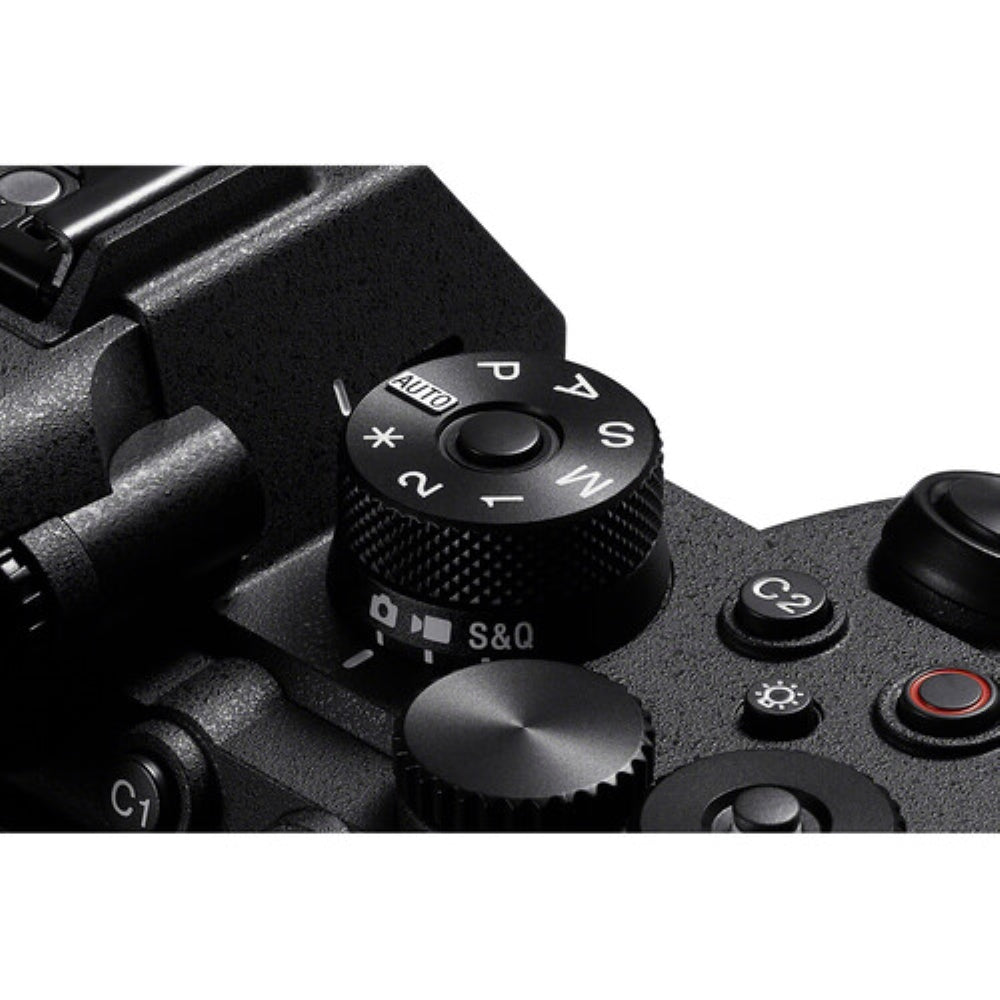
| Exposure Modes | Aperture Priority, Auto, Manual, Program, Shutter Priority |
| Exposure Compensation | -5 to +5 EV (1/3, 1/2 EV Steps) |
| White Balance | 2500 to 9900K Presets: Auto, Cloudy, Color Temperature, Custom, Daylight, Flash, Fluorescent (Cool White), Fluorescent (Day White), Fluorescent (Daylight), Fluorescent (Warm White), Incandescent, Shade, Underwater |
| Continuous Shooting | Up to 30 fps at Maximum Resolution for up to 150 Frames (Raw) / 215 Frames (JPEG) |
| Interval Recording | Yes |
| Self-Timer | 2/5/10-Second Delay |
Still Image Capture |
|
|---|---|
| Aspect Ratio | 1:1, 3:2, 4:3, 16:9 |
| Image File Format | HEIF, JPEG, Raw |
| Bit Depth | 14-Bit |
Video Capture |
|
|---|---|
| Internal Recording | H.265/XAVC HS 4:2:2 10-Bit 7680 x 4320 at 23.98/25/29.97 fps* 3840 x 2160 at 23.98/25/29.97/50/59.94/100/120 fps* *Sensor Crops During Recording at Max Frame Rates |
| Video Output | via HDMI 3840 x 2160 |
| Fast-/Slow-Motion Support | Yes |
| Gamma Curve | S Cinetone, Sony S-Log 3 |
| Recording Limit | No |
| IP Streaming | No |
| Built-In Microphone | Stereo |
| Audio Recording | 2-Channel 16-Bit 48 kHz LPCM Audio |
Interface |
|
|---|---|
| Media/Memory Card Slot | Dual Slot: CFexpress Type A / SDXC (UHS-II) |
| Internal Storage | No |
| Video I/O | 1x HDMI Output |
| Audio I/O | 1x 1/8" / 3.5 mm TRS Stereo Headphone Output 1x 1/8" / 3.5 mm TRS Stereo Microphone Input |
| Power I/O | 1x USB-C Input |
| Other I/O | 1x USB-C 3.1/3.2 Gen 2 (Data/Remote) Input/Output |
| Wireless | Wi-Fi 6 (802.11ax) / Bluetooth 5.0 |
| Mobile App Compatible | Yes: Android & iOS App Name: Creators' App Functionality: Access Stored Files, Adjust Settings, Remote Control, View Live Feed |
| Global Positioning (GPS, GLONASS, etc.) | GPS *Via Connected Smartphone |
Monitor |
|
|---|---|
| Display Type | Free-Angle Tilting 3.2" Touchscreen LCD |
| Resolution | 2,095,104 Dot |
Viewfinder |
|
|---|---|
| Type | Electronic (OLED) |
| Size | 0.64" |
| Resolution | 9,437,184 Dot |
| Eye Point | 25 mm |
| Coverage | 100% |
| Magnification | Approx. 0.9x |
| Diopter Adjustment | -4 to +3 |
Focus |
|
|---|---|
| Focus Type | Auto and Manual Focus |
| Focus Mode | Continuous-Servo AF, Direct Manual Focus, Manual Focus, Single-Servo AF, Subject Tracking (Animals/Birds/Eyes/Insects/People/Vehicles) |
| Autofocus Points | Phase Detection: 759 |
| Autofocus Sensitivity | -6 to +20 EV |
Flash |
|
|---|---|
| Built-In Flash/Light | No |
| Flash Modes | Auto, Fill Flash, Hi-Speed Sync, Off, Rear Sync, Red-Eye Reduction, Slow Sync |
| Flash Compensation | -3 to +3 EV (1/3, 1/2 EV Steps) |
| Dedicated Flash System | TTL |
| Non-Shoe Flash Connection | PC Sync Port |
General |
|
|---|---|
| Battery | 1x NP-SA100 Rechargeable Lithium-Ion, 2670 mAh (Included) • Approx. 710 Shots |
| Shoe Mount | 1x Intelligent Hot Shoe |
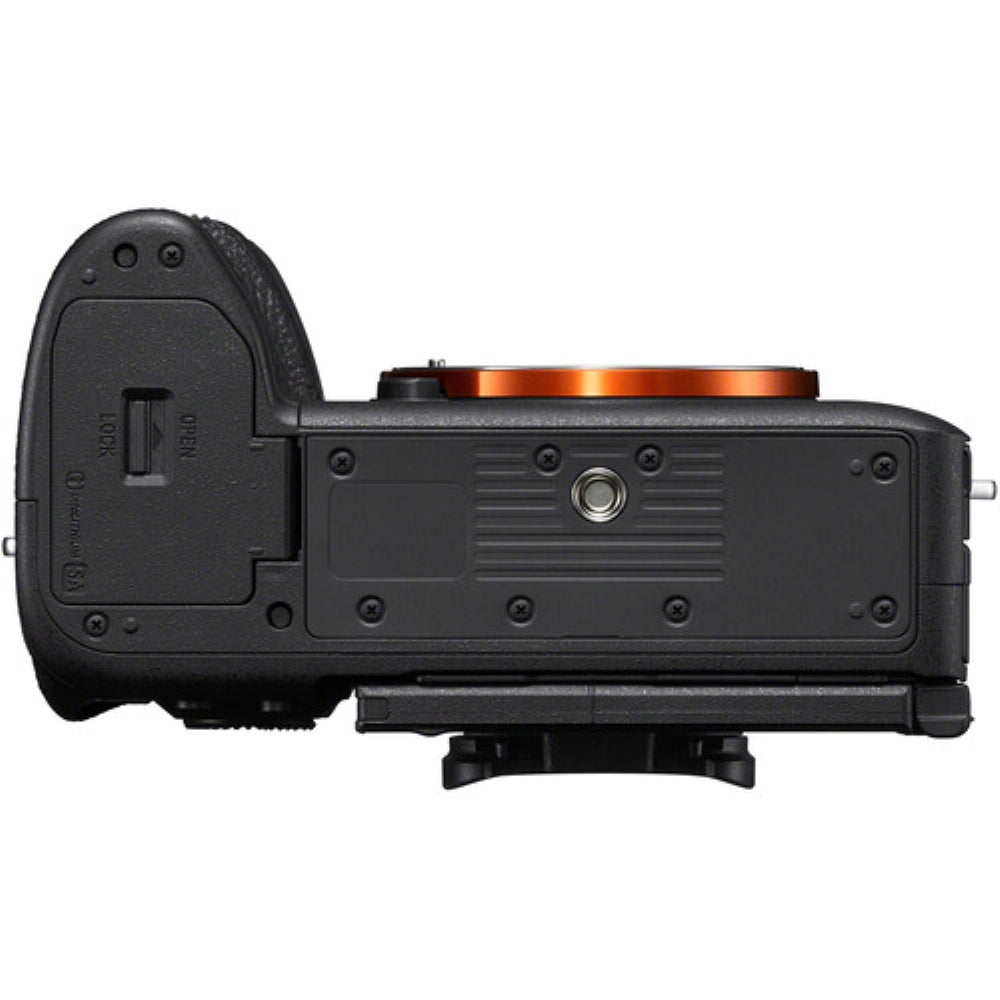
| Tripod Mount | 1x 1/4"-20 Female (Bottom) |
| Materials | Magnesium Alloy |
| Operating Conditions | 32 to 104°F / 0 to 40°C |
| Dimensions (W x H x D) | 5.2 x 3.8 x 3.3" / 133 x 97 x 83 mm |
| Weight | 1.4 lb / 622 g (Body Only) 1.6 lb / 713 g (With Battery, Recording Media) |


